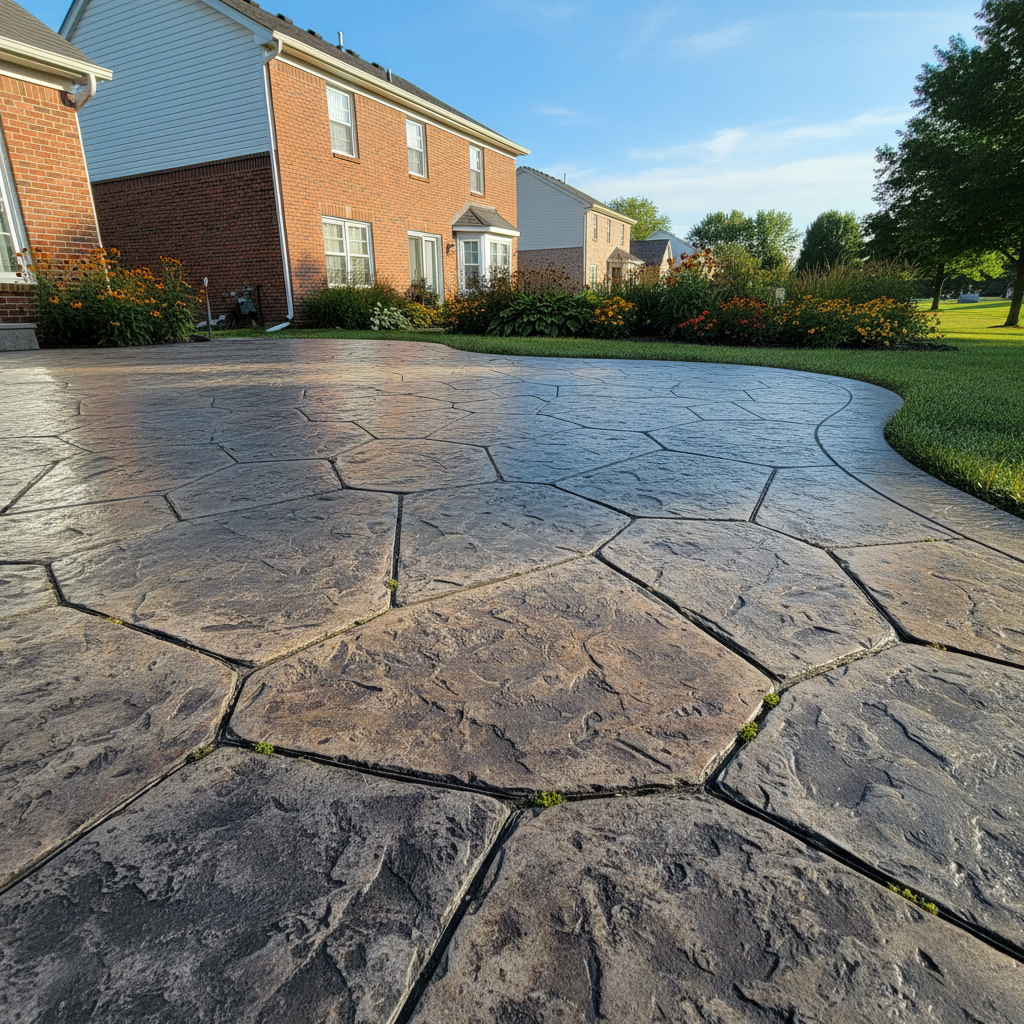
So, you're looking at stamped concrete for your patio, walkway, or driveway. It's a great choice, no doubt about it. You get that high-end look of natural stone, brick, or wood, but with the durability and lower maintenance of concrete. It really can transform an outdoor space.
What Even Is Stamped Concrete?
Let's get this straight first. Stamped concrete isn't just regular concrete with a pattern pressed into it. Well, it is, but there's more to it. It involves pouring concrete, then, while it's still wet, applying a color hardener to the surface. After that, a release agent goes down, and then large, flexible mats with patterns are pressed into the concrete. Once it sets, the mats come off, and you're left with a textured, colored surface that mimics other materials. Finally, it gets sealed to protect it and enhance the color.
Before You Start: Planning Your Project
This is where most of the homeowner's realistic DIY work comes in. You need to figure out what you want. What look are you going for? A cobblestone patio? A wood-plank walkway? There are tons of patterns and colors out there. Think about how the new surface will flow with your existing landscaping and your home's style. You don't want a rustic wood look next to a super modern house, usually.
You also need to consider drainage. This is huge, especially here in Naperville with our clay soils and sometimes heavy spring rains. You absolutely need to make sure water will shed away from your house, not towards it. A proper slope is critical. If you're not sure about grading, that's a good time to get a pro involved, even if you plan to do some of the other steps yourself. Bad drainage means cracked foundations and flooded basements down the line, and nobody wants that.
Then there's the prep work: clearing the area, excavating, and laying down a good base. For a small patio or walkway, you might be able to handle this. You'll need to dig out the area, lay down and compact gravel, and then set up forms. Make sure your forms are sturdy and level. This is another area where precision matters. If your forms aren't right, your concrete won't be either.
During the Pour: When to Call a Pro
Alright, here's the honest truth: pouring and stamping concrete is not a DIY job for most homeowners. I've seen plenty of folks try, and more often than not, they end up calling us to fix a mess. Concrete sets fast, especially on a hot summer day. You've got a very small window to get the color hardener down, the release agent on, and those stamps pressed perfectly before it's too late. It takes a crew working in sync, and they need to know exactly what they're doing.
If you're thinking you'll just rent the stamps and give it a go, I'd strongly advise against it for anything bigger than a small stepping stone. The cost of materials, the rental equipment, and the high likelihood of a botched job usually outweigh the savings. You're better off letting a company like Coastal Concrete Solutions handle the pour and stamp. We've got the specialized tools, the experience, and the crew to get it done right the first time.
After the Project: Maintenance and Care
Once your stamped concrete is in, the work isn't entirely over. Proper maintenance is key to keeping it looking great for years. The most important thing you can do is keep it sealed. Think of the sealer as sunscreen for your concrete. It protects it from UV rays, stains, and general wear and tear. You'll want to reseal it every 2-3 years, sometimes more often for high-traffic areas or if it's exposed to a lot of harsh weather. This is definitely a DIY job you can handle.
- Cleaning: Regular cleaning with a hose and a mild detergent (nothing harsh!) will help remove dirt and grime. For tougher spots, a pressure washer on a low setting can work, but be careful not to damage the sealer or the concrete itself.
- Stain Removal: Address spills quickly. Oil, grease, and rust can stain if left too long. There are specific concrete cleaners for different types of stains.
- Winter Care: This is big for us in Naperville. Avoid using de-icing salts on your stamped concrete. Most salts can damage the sealer and even the concrete itself over time, leading to spalling or flaking. Sand is a much better option for traction. If you have to use something, look for products specifically labeled as