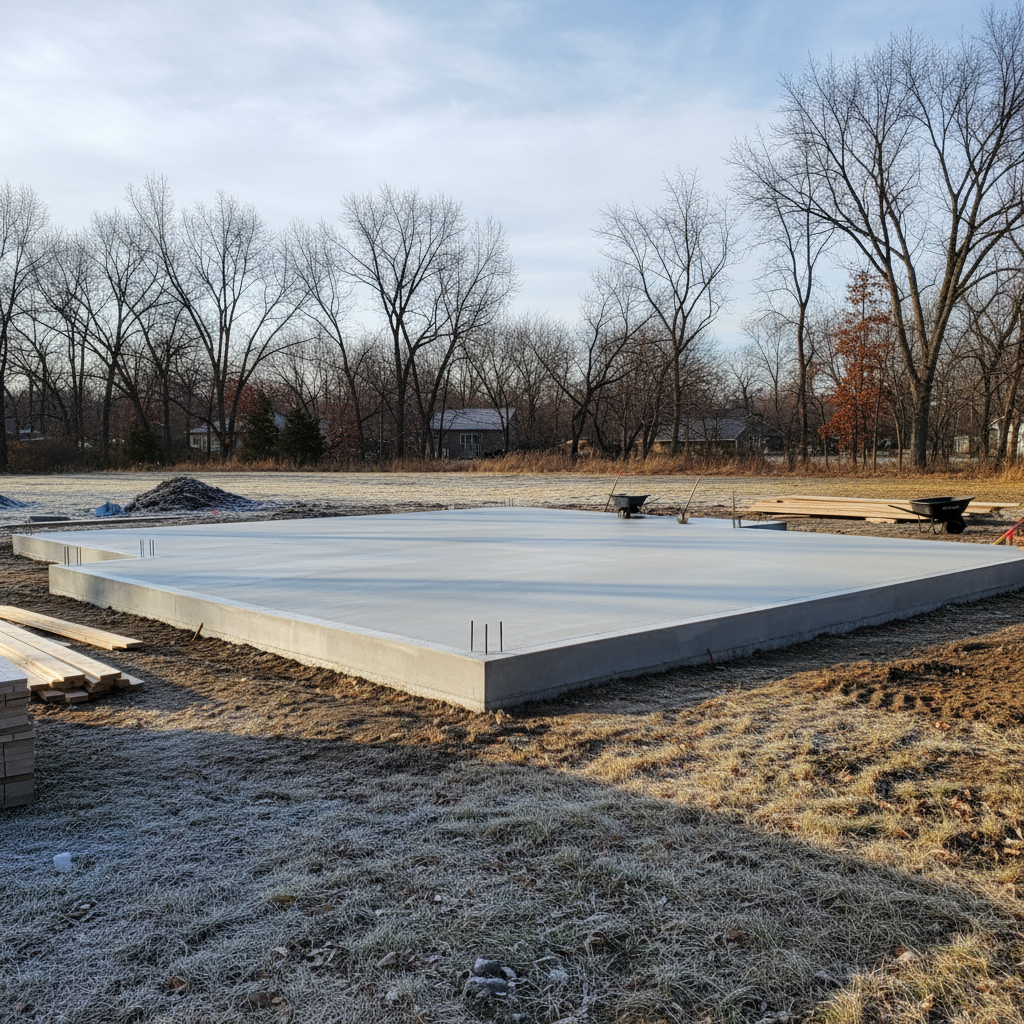
You've got a concrete foundation, driveway, or patio, and you're in Naperville. That means you're dealing with some serious weather swings, from brutal winters to hot, humid summers. This isn't just about comfort; it's about what that weather does to your concrete.
Understanding Naperville's Climate & Your Concrete
Our local climate is a real challenge for concrete. We get those deep freezes, often with multiple freeze-thaw cycles in a single week during late winter or early spring. Then there's the summer heat, followed by sudden downpours. All this expansion and contraction, plus moisture, puts a lot of stress on concrete. It's why you see cracks, heaving, and spalling if things aren't done right or maintained properly.
Think about the clay soil we have around here, especially in older neighborhoods like those near downtown. That clay holds onto water, expands when wet, and shrinks when dry. If your foundation isn't properly drained or sealed, that movement can transfer to your concrete, causing all sorts of problems over time. It's not just about the concrete itself; it's about what's underneath it too.
When to Schedule Concrete Work: Timing is Everything
When's the best time to pour or repair concrete? Most folks think summer, but it's not always that simple. Here's my take:
Spring (Late April - Early June): This is often ideal. The ground has thawed, temperatures are consistently above freezing, and you usually get good moisture levels without extreme heat. Concrete cures well in these conditions. It's a busy time for us, so if you're thinking spring, get on the schedule early.
Summer (Mid-June - August): We can definitely pour in summer, but you've got to be careful. High heat can make concrete cure too fast, which can lead to cracking. We use special admixtures and techniques to slow down the cure and keep it hydrated. It's doable, but requires more attention.
Fall (September - October): Another excellent window. The ground is still warm, and temperatures are usually moderate. You avoid the summer heat and get good curing conditions before the deep freezes set in. Just make sure the work is done well before sustained freezing temperatures hit.
Winter (November - March): Generally, this is a no-go for pouring new concrete in Naperville. Concrete needs to cure above freezing temperatures for a good long while. While some specialized cold-weather pours are possible for critical projects, they're expensive and come with risks. For most residential work, it's best to wait until spring.
Weather Conditions That Affect the Job
It's not just the season; it's the daily forecast. We're always watching it closely. Here's what we look for:
Temperature: As I said, consistently above freezing is key for pouring. For repairs, we need temperatures that allow the patching material to bond and cure correctly. Too hot, and it dries out too fast; too cold, and it won't set.
Rain: A light drizzle isn't usually a deal-breaker, especially if the concrete is already poured and being finished. But heavy rain? That's a problem. It can wash out the cement, weaken the mix, and ruin the finish. We'll reschedule if heavy rain is in the forecast.
Wind: Believe it or not, strong winds can dry out the surface of fresh concrete too quickly, leading to what's called 'plastic shrinkage cracking.' We'll often put up windbreaks or use curing compounds to combat this.
Humidity: High humidity can slow down curing, which isn't always bad, but it means we need to adjust our finishing times.
Protecting Your Concrete Investment Year-Round
You've spent good money on your concrete, whether it's a new patio from Coastal Concrete Solutions or an existing foundation. Here's how to keep it looking good and performing for years:
Seal It: This is huge. A good quality penetrating sealer should be applied every 2-5 years, depending on traffic and exposure. It helps repel water, resist stains, and protect against those freeze-thaw cycles that cause spalling.
Mind the Drainage: Make sure water is always draining away from your foundation and concrete slabs. Gutters should be clean, and downspouts should extend several feet away from the house. Ponding water is concrete's enemy.
Snow & Ice: Be careful with de-icing salts. Many common rock salts can damage concrete, especially newer concrete. Look for calcium chloride or magnesium chloride products, or better yet, use sand for traction. Shovel promptly to reduce ice buildup.
Clean Regularly: Sweep off debris and wash surfaces periodically. Don't let leaves and dirt sit and hold moisture against the concrete.
Address Cracks Early: Small cracks can become big problems. If you see new cracks or existing ones getting worse, get them looked at. Sometimes a simple crack repair can prevent a much larger, more expensive issue down the road.
Taking a proactive approach to your concrete maintenance in Naperville will save you headaches and money in the long run. If you have questions about your specific situation, don't hesitate to give us a call.