Is concrete staining just for old, ugly concrete?
Oh, absolutely not. That's a really common misconception, but it's totally off the mark. Sure, staining can definitely breathe new life into an old, tired concrete slab, but it's also a fantastic choice for brand new concrete. You can stain fresh concrete to give it some unique color and personality right from the get-go. Think about it: instead of just plain gray, you could have a rich, earthy tone or maybe a vibrant pop of color that really complements your home's exterior or interior design. It's all about making things look better, not just covering up flaws. We've done tons of projects where homeowners simply wanted to add a custom touch to a new patio or basement floor, not fix something broken.
What's the difference between acid stain and water-based stain?
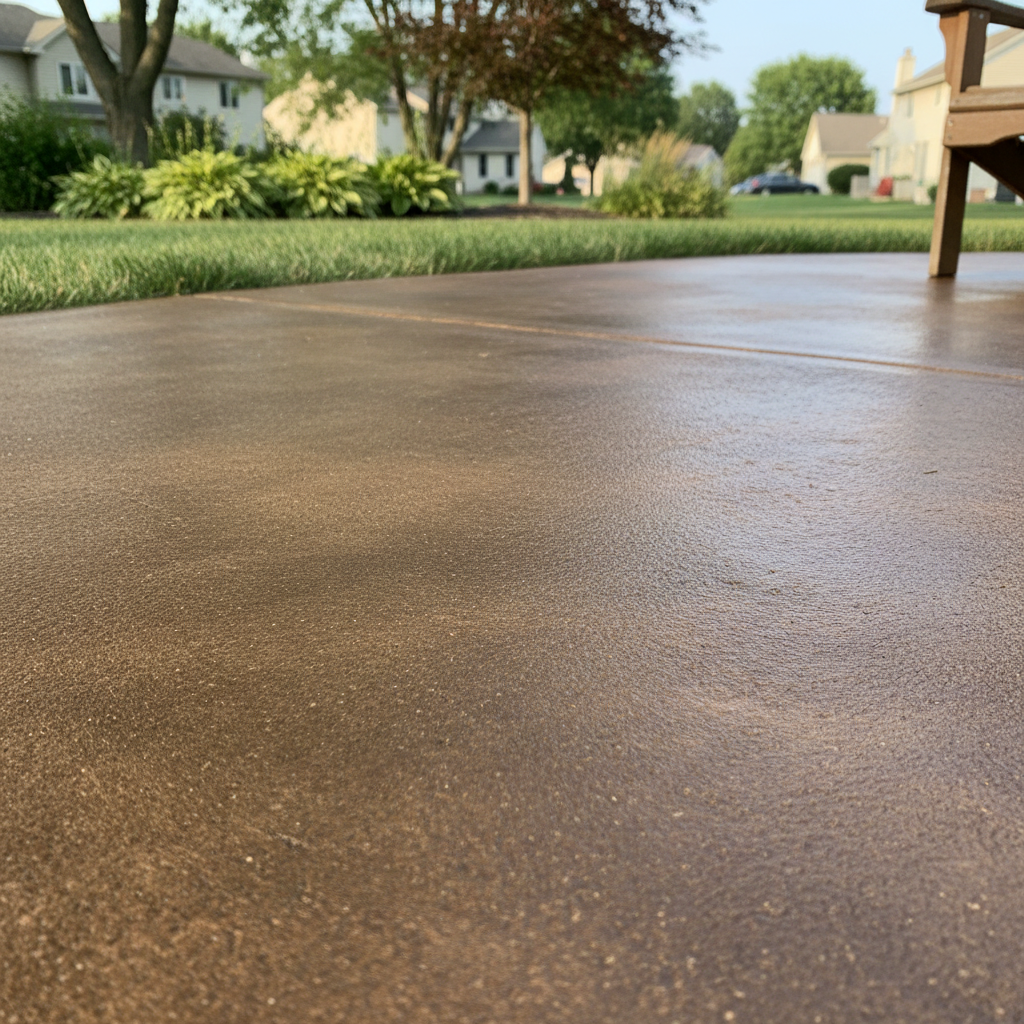
This is a big one, and honestly, it really boils down to the look you're hoping for and what kind of concrete you've got. Acid stains, sometimes called reactive stains, use a chemical reaction with the concrete's lime content. This creates a translucent, mottled, often variegated finish. It's not paint; it actually sinks into the surface and literally changes the concrete's color from within. You end up with these gorgeous, earthy tones – think browns, greens, blues – that look a lot like natural stone or aged leather. Every slab reacts a little differently, so the results are always unique. Predicting the exact shade can be tough, which some people love, and others find a little nerve-wracking.
Water-based stains, on the other hand, don't react chemically. They contain pigments that sit on the surface or penetrate just a bit, giving you a more consistent, opaque color. You get a much wider range of colors with water-based stains, including pastels and brighter hues you just can't achieve with acid stains. They're also usually easier to apply and don't need the same neutralization process as acid stains. If you're after a more uniform color or a specific, bold shade, water-based is generally the way to go. We often use them for more contemporary looks or when a client has a very particular color in mind.
How long does stained concrete last, especially with Naperville weather?
That's a really good question, especially with our wild Naperville weather – those harsh winters, freeze-thaw cycles, and hot, humid summers. How long stained concrete lasts truly depends on a few things: the quality of the stain, how well the surface was prepped, the application itself, and most importantly, the sealer. A good quality stain, put down right and sealed properly, can last for many, many years, even decades. The stain itself, particularly acid stain, becomes part of the concrete, so it won't chip or peel like paint. The sealer is what takes the brunt of the wear and tear, protecting the stain from abrasion, UV rays, and moisture.
For outdoor spots, like a stained patio or walkway, you'll definitely want a durable, UV-resistant sealer. We usually suggest re-sealing every 2-5 years, depending on how much foot traffic it gets and how much sun it sees. Inside, where the elements aren't as brutal, a good sealer can last much longer, maybe 5-10 years before it needs a refresh. Regular cleaning and upkeep also play a huge role. Don't let those leaves sit on your patio all winter, and clean up spills promptly. That's just common sense for any surface, really.
Can I stain my garage floor? What about oil stains?
You absolutely can stain a garage floor, and it looks fantastic when we do it right. It's a great way to make that space feel less like a utilitarian box and more like an extension of your home. However, garage floors come with some unique challenges. The biggest one is oil and grease stains. Concrete is porous, and those automotive fluids soak in deep. If you don't get them out completely, the stain won't penetrate those areas, and you'll end up with blotchy spots. It's crucial to degrease and clean the floor thoroughly, sometimes multiple times, before staining. We often have to use specialized cleaners and even grind down the surface in particularly bad spots.
Also, garage floors take a lot of abuse – hot tires, chemical spills, heavy equipment. So, if you're staining a garage floor, you'll need a very durable, chemical-resistant sealer, often an epoxy or urethane, to protect it. It's not a DIY job if you want it to last. It really requires careful preparation and the right products.
Will stained concrete make my floor slippery?
That's a common worry, especially for outdoor areas or basements where moisture might be present. The stain itself doesn't make the concrete slippery. It's actually the sealer that can affect the traction. Many sealers, especially those that create a high-gloss finish, can make the surface slick when wet. But we have solutions. For exterior applications, or anywhere slip resistance is a concern, we can add an anti-slip additive to the sealer. These are usually fine, clear aggregates that create a slightly textured surface without changing the look of the stain. You won't even notice them visually, but you'll feel the difference in traction. It's a must-have for pool decks or outdoor living spaces, especially if you've got kids running around. We always discuss this with clients during the planning stage to make sure their stained concrete is safe and functional.
Can I stain concrete that's already painted or sealed?
Generally, no, not directly. Stains, especially acid stains, need to penetrate the concrete itself to work their magic. If there's paint, epoxy, or an existing sealer on the surface, it acts as a barrier, preventing the stain from reacting or absorbing properly. You'd end up with a splotchy, uneven mess, or it just wouldn't take at all. So, the first step would be to completely remove any existing coatings. This usually involves grinding, shot blasting, or chemical stripping, which can be a pretty labor-intensive process. It's not impossible, but it definitely adds significant time and cost to the project. Sometimes, if the existing coating is really stubborn or the concrete underneath is in bad shape, it might be more cost-effective to consider an overlay or just a fresh pour. We always assess the existing surface carefully before recommending a staining project. We're called Coastal Concrete Solutions for a reason – we find the right solution, not just the easiest one.